How an Emergency Dentist Beverly Hills Can Treat Sudden Oral Bleeding
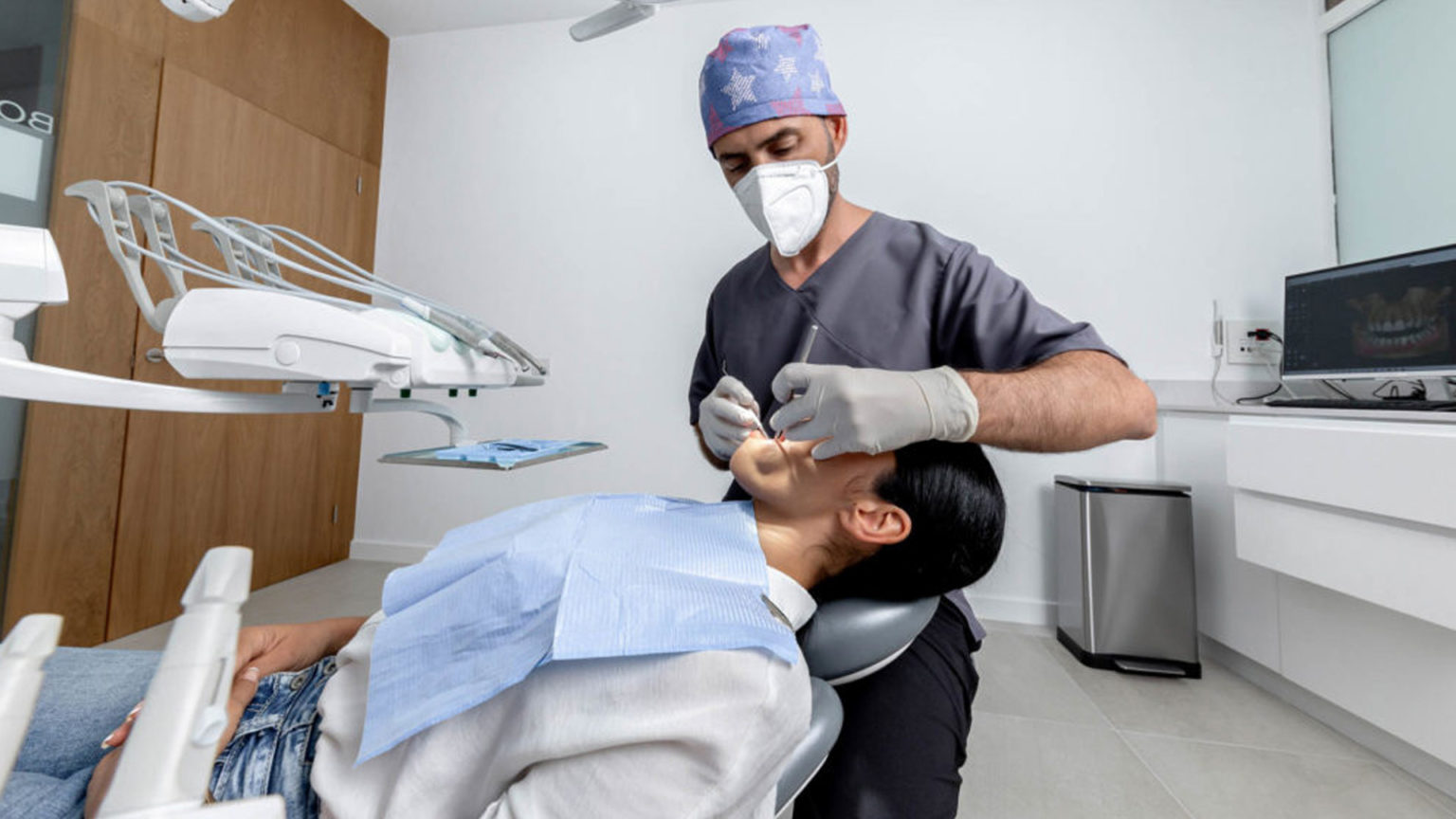


Sudden bleeding in the mouth has a way of making even calm people panic. It looks dramatic, it tastes metallic, and it can be hard to tell whether the source is minor gum irritation or a true dental emergency. In practice, the difference matters. Some cases stop with pressure and time. Others involve a torn blood vessel, a displaced tooth, a deep gum injury, or bleeding after a recent extraction that needs prompt treatment.
An Emergency Dentist Beverly Hills often sees these cases at the worst possible moment, late in the day, after sports, after a fall, after a meal, or in the middle of the night when a patient notices blood on the pillow and assumes the worst. The right response starts with two priorities: control the bleeding and identify the cause. Once those are handled, treatment becomes much more precise.
Why oral bleeding can become urgent so quickly
The mouth is richly supplied with blood vessels. That is one reason oral tissues usually heal well. It is also why even a relatively small cut can bleed more than people expect. A tiny laceration on the tongue or inside the cheek may look severe because saliva mixes with blood and spreads it across the mouth. By contrast, a cracked tooth with bleeding around the gumline may not look dramatic at first, but it can point to a deeper injury.
There is also a practical problem. Patients cannot easily inspect the back of their mouth, hold pressure in the right place, and judge whether the bleeding has slowed. Parents trying to help a child often face an additional challenge because children cry, swallow blood, or move away from the injured area. Adults on blood thinners face a different issue, where a routine dental bleed can persist longer than expected.
In a busy emergency dental setting, the first few minutes usually focus less on the final diagnosis and more on immediate stabilization. Is the patient swallowing a lot of blood? Is there active spurting, which may suggest a more significant vessel injury? Is the bleeding coming from the gums, from a socket after extraction, from around a broken tooth, or from soft tissue like the lip or tongue? These details shape what comes next.
The most common reasons a mouth suddenly starts bleeding
Bleeding can begin without warning, but it rarely appears without a cause. The source may be dental, traumatic, or medical.
One common cause is trauma. A slipped step, an elbow during basketball, a collision at the gym, or even biting down on a fork can tear soft tissue or loosen a tooth. Oral tissues are delicate. A lip caught between the teeth during impact can split surprisingly easily.
Another frequent cause is gum disease. Patients with gingivitis or periodontitis often say the bleeding seemed to start "out of nowhere," yet the gums have usually been inflamed for weeks or months. Brushing, flossing, or biting into crusty bread becomes the moment the problem reveals itself.
Post-extraction bleeding is another category emergency dentists handle regularly. Some oozing after a tooth removal is expected for the first several hours. Persistent bleeding that soaks gauze repeatedly, restarts later in the day, or continues into the next morning deserves attention. The reason may be a dislodged clot, elevated blood pressure, smoking, vigorous rinsing, or medication that affects clotting.
Broken teeth can also bleed, especially when a fracture extends toward the gumline or exposes deeper structures. In more severe cases, a tooth may be partially displaced and bleeding from the socket. That is not just a bleeding issue. It is a tooth preservation issue, and the clock matters.
Then there are soft tissue injuries. The tongue, lips, cheeks, and floor of the mouth can all bleed heavily after accidental biting or sharp food trauma. A tortilla chip, fish bone, or cracked dental appliance can create a jagged wound that keeps reopening with speech and swallowing.
Less often, oral bleeding reflects a broader medical issue. Certain blood thinners, platelet disorders, uncontrolled hypertension, liver disease, and some chemotherapy regimens make bleeding harder to stop. In those cases, the dental provider may treat the mouth locally while coordinating with a physician if the pattern is concerning.
What to do before you get to the dental office
A well-managed first response can make treatment easier once you arrive. Most patients do not need to do anything fancy. They need to do the simple things correctly and long enough.
- Apply firm, steady pressure with clean gauze or a clean cloth directly to the area for 10 to 15 minutes without checking it every minute.
- Sit upright and lean slightly forward so blood drains out of the mouth rather than down the throat.
- Use a cold compress on the outside of the face if swelling or trauma is present.
- Avoid spitting, vigorous rinsing, straws, smoking, or poking the site with the tongue.
- If a tooth has been knocked loose or out, handle it by the crown, not the root, and call for emergency care immediately.
That first point is where many home efforts fail. People press for 30 seconds, remove the gauze to inspect, then start over. Clotting needs uninterrupted pressure. A patient who has just had a tooth removed will often think the bleeding is getting worse because the gauze looks bright red, when in fact much of what they see is saliva stained with a modest amount of blood.
There are limits to home care. If bleeding is brisk and does not slow after 15 to 20 minutes of proper pressure, if the patient feels faint, if facial trauma is significant, or if breathing or swallowing becomes difficult, the situation may need urgent medical attention in addition to dental care.
What an emergency dentist looks for first
When a patient comes in with active oral bleeding, the exam begins with location, rate, and source. That may sound obvious, but many mouths contain more than one injury. A patient may have a cut lip, a chipped incisor, and gum bleeding all at once. Good emergency care depends on isolating the primary source before treating it.
An Emergency Dentist Beverly Hills will usually start by clearing pooled blood, suctioning gently, and inspecting with good lighting. If there is too much flow to see clearly, fresh gauze pressure may be reapplied for several minutes to slow things down. Medical history matters immediately, not as paperwork for later. If the patient takes warfarin, apixaban, rivaroxaban, clopidogrel, or even high-dose aspirin, that changes how persistent bleeding is interpreted. So does a history of hemophilia, recent oral surgery, or uncontrolled diabetes.
Blood pressure may also matter. Elevated pressure can contribute to prolonged oozing, especially after extractions or periodontal procedures. It is not unusual for an anxious patient in pain to arrive with a pressure reading higher than normal. Part of effective treatment is reducing stress enough to make local measures work.
Imaging may be needed if trauma is involved. A bleeding tooth socket may hide a root fracture, an alveolar bone injury, or a partially avulsed tooth. What looks like simple gum bleeding can turn out to be a tooth displacement that needs repositioning and splinting.
How the bleeding is stopped in the office
Treatment depends entirely on the cause. There is no one-size-fits-all fix. An emergency dentist uses a combination of mechanical pressure, local medications, sutures, clot support, and dental repair.
For a simple soft tissue wound, pressure and wound cleansing may be enough. If the cut is gaping or located where movement keeps reopening it, sutures can bring the tissue edges together and protect the clot. Tongue lacerations are a good example. Some small ones heal beautifully on their own, while others need closure because the tongue never truly rests.
For bleeding around the gums, the dentist may gently remove irritants such as trapped food, plaque, or debris, then apply pressure and possibly a local hemostatic agent. If gum disease is severe, bleeding control can still be achieved in the moment, but the patient will need follow-up periodontal care or the problem will return.
Post-extraction bleeding has its own toolbox. The socket may need to be irrigated, the clot assessed, and a fresh dressing placed. In some cases, the dentist uses a resorbable material inside the socket to support clot formation. In others, a suture across the socket helps stabilize the area. If the patient has been rinsing aggressively or smoking, the dentist will usually explain why the clot keeps breaking down.
Bleeding linked to a cracked or displaced tooth often requires both hemostasis and stabilization. A loose tooth may need repositioning and splinting to adjacent teeth. A broken edge irritating the surrounding gum may need smoothing or temporary restoration. If the pulp is exposed or the fracture is deep, the dentist may stop the bleeding and pain that day, then plan a root canal, crown, or extraction depending on the damage.
One detail patients often appreciate is that emergency dentists are used to working through less-than-ideal conditions. A mouth full of blood, saliva, swelling, and anxiety is not a clean textbook scenario. It calls for calm sequencing. First control the field, then identify the problem, then repair what can be repaired immediately.
When stitches are necessary, and when they are not
Patients often assume visible blood means stitches are inevitable. That is not always true. Many oral wounds close well because the mouth has strong healing capacity and excellent circulation. A shallow cheek bite or a minor gum tear may stop bleeding with pressure alone.
Stitches become more likely when the edges of a cut do not meet naturally, when the wound is deep, when it crosses an area under movement, or when continued bleeding suggests the tissues need support to seal. Lip injuries near the border between the lip and facial skin deserve careful handling because alignment affects appearance. Tongue wounds longer than a couple of centimeters or wounds that split open during movement often need suturing as well.
There is also a judgment call with children. A very young child with a small laceration may do better with conservative management if the wound is likely to heal well and suturing would create more distress than benefit. A larger tear, by contrast, should not be ignored simply because the child is frightened. Experience matters in choosing the right threshold.
Cases involving blood thinners and medical conditions
This is where emergency dental care becomes more nuanced. Many adults take medications that affect clotting, especially after heart procedures, strokes, atrial fibrillation, or vascular disease. These patients should not stop prescribed blood thinners on their own just because they are bleeding from the mouth. Doing so can create a far more serious problem than the dental issue itself.
Instead, the dentist usually manages the bleeding locally first. Pressure, hemostatic dressing, sutures, and close observation often solve the problem without changing medication. If bleeding remains unusual for the injury involved, the dentist may contact the prescribing physician or direct the patient to medical evaluation.
Patients with liver disease, low platelets, or inherited bleeding disorders also require careful judgment. A mouth wound that would stop quickly in most people may persist in these groups. The emergency dentist can often control the local problem, but coordination with a physician may be essential if the bleeding pattern suggests more than a routine oral injury.
One memorable pattern is the patient who says, "My gums have been bleeding every time I brush, but tonight it just would not stop." Sometimes the trigger is simple inflammation. Sometimes it is uncontrolled periodontal disease made worse by medication. Sometimes the blood is not even coming from the gums but from a traumatized area under a denture flange or a sharp broken filling edge. The exam tells the story.
How an emergency dentist treats trauma-related bleeding
Trauma produces some of the most time-sensitive cases. A sports injury, a facial fall, or a car-related impact can create oral bleeding along with tooth displacement, jaw injury, or fractures of the surrounding bone.
The dentist’s goals in these cases are straightforward:
- Control active bleeding and protect the airway.
- Assess tooth stability, fracture patterns, and soft tissue damage.
- Reposition and stabilize teeth when possible.
- Identify injuries that need referral to an oral surgeon or hospital care.
- Reduce pain and preserve long-term function and appearance.
A knocked-out permanent tooth is one of the clearest Emergency Dentist Beverly Hills dentalgroupbh.com examples of why speed matters. If a tooth is replanted quickly, the odds of saving it improve. If it dries out for too long, the prognosis drops. Even when replantation is not possible, rapid care can still protect the socket, control bleeding, and support the next restorative step.
Jaw trauma introduces another layer. If the bite suddenly feels off, the patient cannot open fully, or there is numbness in the lip or chin, the bleeding may be only one part of a larger injury. A capable emergency dentist will recognize those red flags and refer appropriately rather than trying to manage beyond the office scope.
What happens after the bleeding stops
Stopping the bleed is not the whole job. The cause still needs treatment. Patients often feel immediate relief once the gauze comes out clean, then underestimate the need for follow-up. That is how temporary control turns into a recurring problem.
If gum disease caused the episode, the patient may need periodontal therapy and improved home care. If a fractured tooth started it, definitive restoration must follow. If an extraction site was the source, detailed aftercare becomes critical over the next 24 to 48 hours. That usually means soft foods, no smoking, no strenuous rinsing, limited physical exertion for the day, and careful attention to any new swelling, foul taste, or pain that seems to intensify rather than improve.
Pain control matters too. Not every bleeding case is extremely painful, but some are. The dentist will usually recommend medication based on the patient’s history, procedure performed, and bleeding risk. That balancing act is important. Some over-the-counter medications affect clotting more than others, so generic advice is not always the best advice.
Warning signs that should never be brushed off
A lot of oral bleeding looks worse than it is. Still, there are situations where delay is a mistake. If bleeding continues despite solid pressure, if there is facial asymmetry after trauma, if teeth have shifted position, or if the person feels weak or lightheaded, the case needs urgent attention.
The same goes for signs of infection or deeper tissue involvement. Bleeding accompanied by rapidly increasing swelling, trouble swallowing, fever, or a bad taste from a recent extraction can suggest a complication that goes beyond simple tissue injury.
Patients with oral cancers or suspicious unexplained lesions sometimes present first because of bleeding. Most bleeding does not signal cancer, but a spot that bleeds repeatedly without a clear reason, especially if it has been present for weeks, warrants professional evaluation. Experienced emergency dentists know when a site looks inflamed and traumatic versus when it looks abnormal enough to biopsy or refer.
Why location and timing shape the best response
A Beverly Hills emergency practice often treats a broad mix of patients, professionals between meetings, children after sports, older adults on multiple medications, and visitors who are far from their regular dentist. That variety matters because context changes care.
A young athlete with a fresh injury may need urgent splinting and a return-to-play discussion. An older patient who had a routine extraction but takes anticoagulants may need local clot support and medication review. A patient with cosmetic veneers and trauma-related bleeding may also need a plan that protects appearance while handling the emergency. These are not interchangeable scenarios.
That is one reason patients search specifically for an Emergency Dentist Beverly Hills rather than waiting for a routine appointment. They want someone who can make real decisions in real time, not just advise them to watch and wait. In bleeding cases, that decisiveness can spare hours of anxiety and prevent a manageable issue from becoming a harder one.
The practical value of rapid treatment
There is a tendency to think of oral bleeding as either trivial or catastrophic. Most cases fall somewhere in the middle. They are urgent enough to deserve skilled care, but very treatable once the source is identified.
Rapid treatment does three useful things. It controls blood loss and stress in the moment. It protects vulnerable teeth and tissues from further damage. And it creates a cleaner path for proper healing. A socket that is stabilized early, a laceration that is closed neatly, or a loose tooth that is splinted promptly all have a better chance of healing without added complications.
Patients often remember one thing most clearly after these visits: how much calmer the problem felt once someone experienced took over. That is the real role of emergency dentistry in oral bleeding. Not just to stop the blood, but to sort out what is minor, what is risky, and what needs immediate repair before the situation worsens.
Dental Group of Beverly Hills
8641 Wilshire Blvd #125, Beverly Hills, CA 90211, United States
Phone: +1 (310) 929-6335
FAQ About Emergency Dentist Beverly Hills
What is considered to be a dental emergency?
Severe tooth pain, a knocked-out permanent tooth, a significant tooth fracture, or suspected dental infection needs prompt professional assessment. Contact a dentist to describe the problem and arrange appropriate care. Trouble breathing or swallowing, uncontrolled bleeding, or major facial injury requires immediate emergency medical attention.
How to tell if tooth pain is serious?
Pain that is severe, persistent, or accompanied by fever, facial swelling, or a bad taste should be assessed promptly by a dentist. The cause cannot be confirmed from symptoms alone. If swelling affects breathing or swallowing, call 911 or go to an emergency department.
What do I do if I have a dental emergency and no dentist?
Call a nearby dental practice that accepts urgent patients and explain your symptoms, when they began, and any recent injury. Ask about the earliest available assessment and what information to bring. For life-threatening symptoms, seek emergency medical care immediately instead of waiting for a dental appointment.